
Municipalities and parks
Bartlett Tree Experts has been chosen time and time again to provide care for the trees and shrubs in municipalities, counties, and towns throughout our international operating area. The scientific expertise and global resources we bring to the municipal space, as well as our ability to respond and communicate in a timely fashion, have led to successful partnerships for over 100 years.
Municipalities and parks case studies
A Case Study on the costs, benefits, and return of proactive and comprehensive tree care against minimal tree care and replacement
Location and history
The Washington County Government Center sits in Stillwater, Minnesota, and serves as the main campus for the county government. This includes offices for several departments, the county courthouse and attorney's office, and the county sheriff. It's an important facility for the county and its employees, as well as a large number of public visitors.
The campus has just over 300 trees, ranging from newly planted to mature oaks. Many trees had poor appearance and health or were declining. Particular problems included a group of mature crabapples near the courthouse that several employees were concerned about dying and many of the newer trees failing to establish and grow well.
Past tree maintenance included some basic pruning, removals, and planting carried out by landscapers and arborists, but no thorough assessment or tree care program was in place.
Goals for the campus
The primary goal was to improve the overall appearance of the campus, including improving the important mature crabapples and increasing the survival and growth of new trees, as well as ensuring safety for employees and visitors.
We set out to create a viable long-term tree care plan that would accomplish the following goals:
- →Improve the appearance and longevity of very important trees
- →Improve the overall appearance of the campus to benefit employees and citizens
- →Reduce risk from trees
- →Create a viable long-term tree care plan, including a thorough needs and budget analysis
- →Demonstrate the return on investment and environmental benefits of a comprehensive tree care program versus the standard tree care program
- →Improve the overall results from investments in tree planting and care
- →Help to track and plan tree care in a proactive way
- →Ensure investments in tree care are efficient, effective, and provide long-term ROI
Recommendations
After an initial review of the site, we provided the following recommendations:
- Separate tree care program and budget from landscaping. Trees are a long-term asset that require special care and expertise.
- Increase standards for tree care providers, ensuring recommendations and work are supervised by a Board Certified Master Arborist and that tree care is provided by a company specializing in arboriculture.
- Conduct a thorough inventory and assessment of the trees and build a detailed management plan.
- Dedicate an annual budget specifically for tree care based on the management plan.
Results
The management recommendations included a comprehensive pruning program, some removals, lightning protection, soil care, pest/disease management, and a focused plant health care program for the VIP crabapples.
Work began in 2017 and 2018, including:
- →Excavating root collars of 93 trees.
- →Implementing a comprehensive treatment program for the mature crabapples, resulting in immediate visual improvement.
- →Developing a prescription soil care program for high-priority trees.
- →Removing hazardous and dying trees in high-traffic areas.
- →Pruning for clearance, safety, and long-term structure.
- →Installing cables to support weak branch unions and improve safety.
- →Treating high-priority pest and disease issues, including apple scab and Japanese beetles.
Cost/benefit analysis
| Basic maintenance + replacement | Comprehensive maintenance | Difference | |
|---|---|---|---|
| Cost of care (15 years) | $112,500 | $380,000 | -$267,500 |
| Replacement cost | $400,000 | $60,000 | $340,000 |
| Total maintenance costs | $512,500 | $440,000 | $72,500 |
| Difference in value of trees | $0 | $2,500,000 | $2,500,000 |
Cost of care (15 years)
Basic: $112,500
Comprehensive: $380,000
Difference: -$267,500
Replacement cost
Basic: $400,000
Comprehensive: $60,000
Difference: $340,000
Total maintenance costs
Basic: $512,500
Comprehensive: $440,000
Difference: $72,500
Difference in value of trees
Basic: $0
Comprehensive: $2,500,000
Difference: $2,500,000
Environmental benefits
| Environmental benefits | Young trees | Mature trees | Increase in benefits |
|---|---|---|---|
| Tree cover | 2.73 acres | 7.76 acres | 5.03 acres |
| Carbon storage | 77 Tons | 331 Tons | 254 Tons |
| Avoided stormwater runoff | 6,234 Cubic Feet/Year | 13,505 Cubic Feet/Year | 7,271 Cubic Feet/Year |
Tree cover
Young trees: 2.73 acres
Mature trees: 7.76 acres
Increase in benefits: 5.03 acres
Carbon storage
Young trees: 77 Tons
Mature trees: 331 Tons
Increase in benefits: 254 Tons
Avoided stormwater runoff
Young trees: 6,234 Cubic Feet/Year
Mature trees: 13,505 Cubic Feet/Year
Increase in benefits: 7,271 Cubic Feet/Year
Case study: San Francisco Botanical Garden
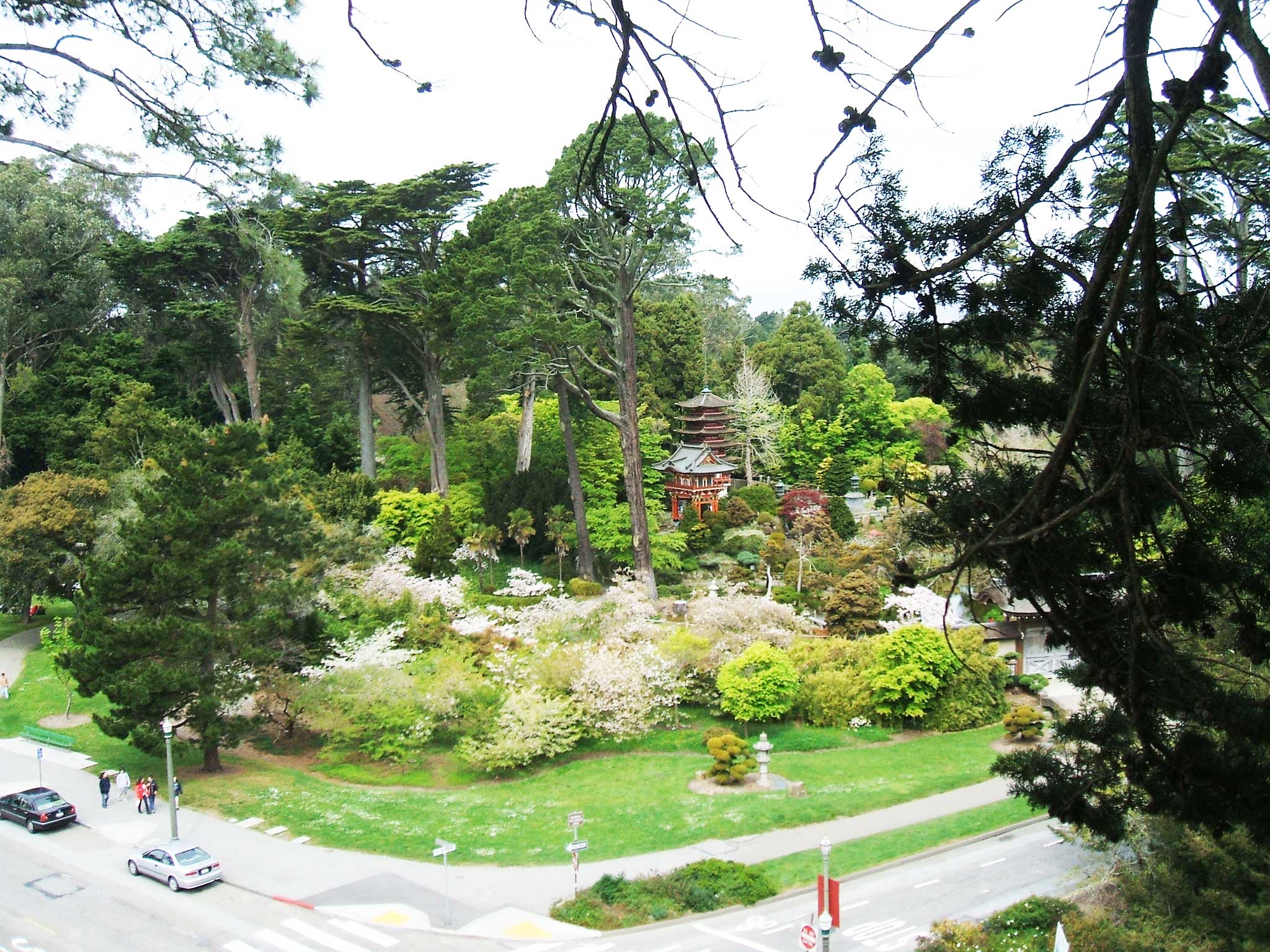
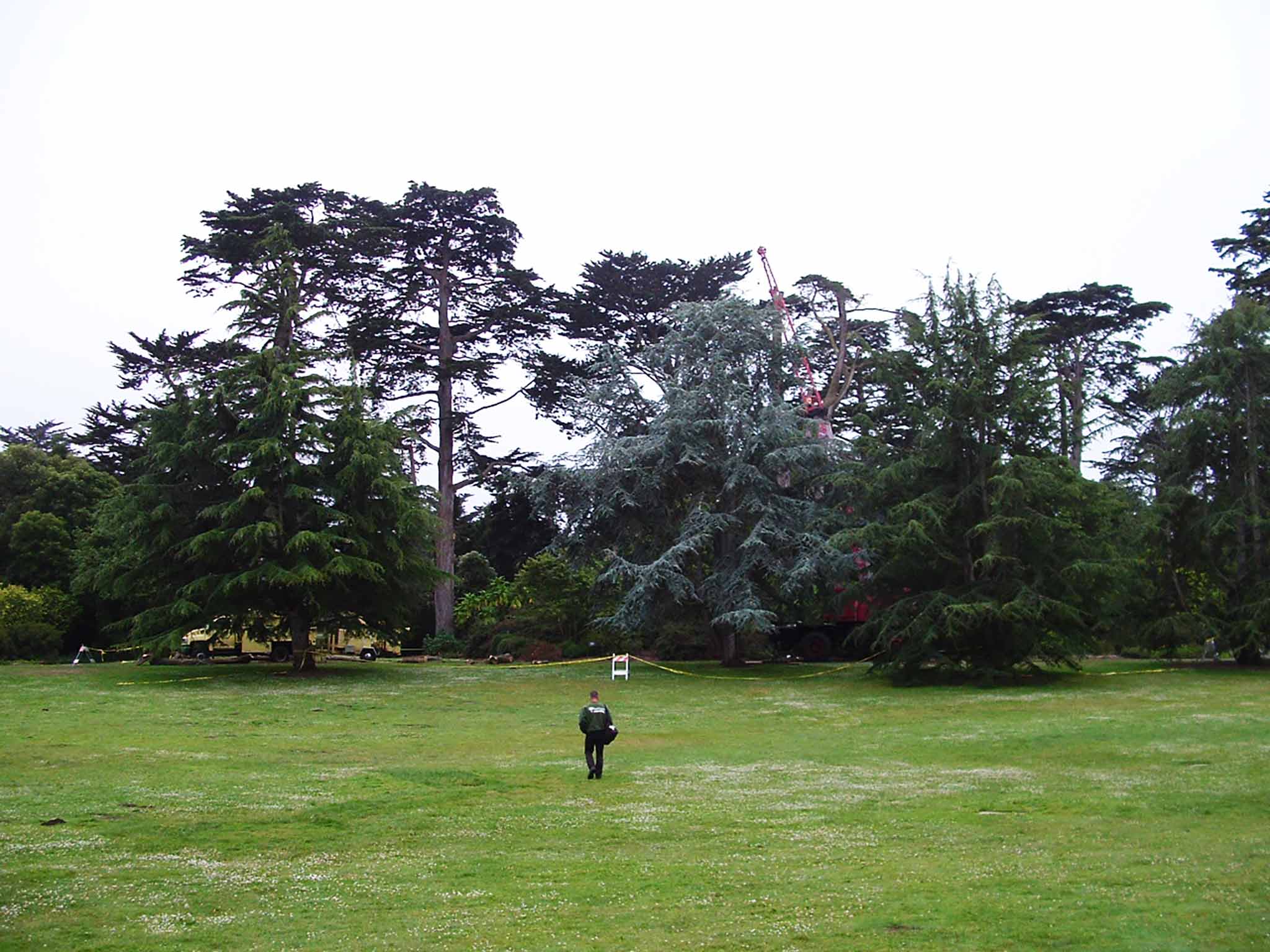
The San Francisco Botanical Garden is a living museum within Golden Gate Park. This 55-acre horticultural refuge showcases over 8,000 different kinds of plants from around the world under an impressive canopy of pine, cypress, and gum trees.
Tree risk assessment
While on a walk through the garden, a patron recognized the potential risks the maturing trees posed to visitors. Many of these giants contained large dead limbs or other structural defects, which predisposed the trees to branch, stem, or root failure. Bartlett Tree Experts was called in to help remediate the probability of personal injury due to failing trees and make recommendations for maintaining the safety, health, and structure of the mature tree canopy.
Initial findings
During our initial exploration, our San Francisco-based arborist representatives discovered that extensive work was needed to complete tree pruning, support system installation, and removals. To properly plan, organize, and prioritize the work, we began the process of conducting a GIS-based tree maintenance inventory.
Assessment and planning
We partnered with garden personnel to define the goals and objectives of an arboretum inventory. Our focus was on all trees 18 inches and larger in diameter at 4.5 feet above ground level, or any tree that showed visual evidence of potential failure.
- →Using ArborVue GIS software, we recorded tree species, diameter, health, and maintenance needs.
- →We identified trees requiring pruning, structural support system installation, or removal.
- →Additional recommendations were made for trees requiring further evaluation.
Execution
Bartlett’s GIS specialists and arborists used GPS data recorders to document tree conditions and maintenance needs. Over 710 trees were assessed, with a focus on prioritizing high-risk trees.
- →140 trees (19%) were identified for removal due to hazards or decline.
- →513 trees (73%) required pruning for safety, health, and aesthetics.
- →47 trees (6%) needed structural support systems.
- →33 trees (4%) required further assessment for wood strength.
Impact
After implementing these measures, a severe storm hit the city. Many trees in the region suffered damage, but the botanical garden experienced minimal losses thanks to the proactive tree management plan.
Climbing for tree care
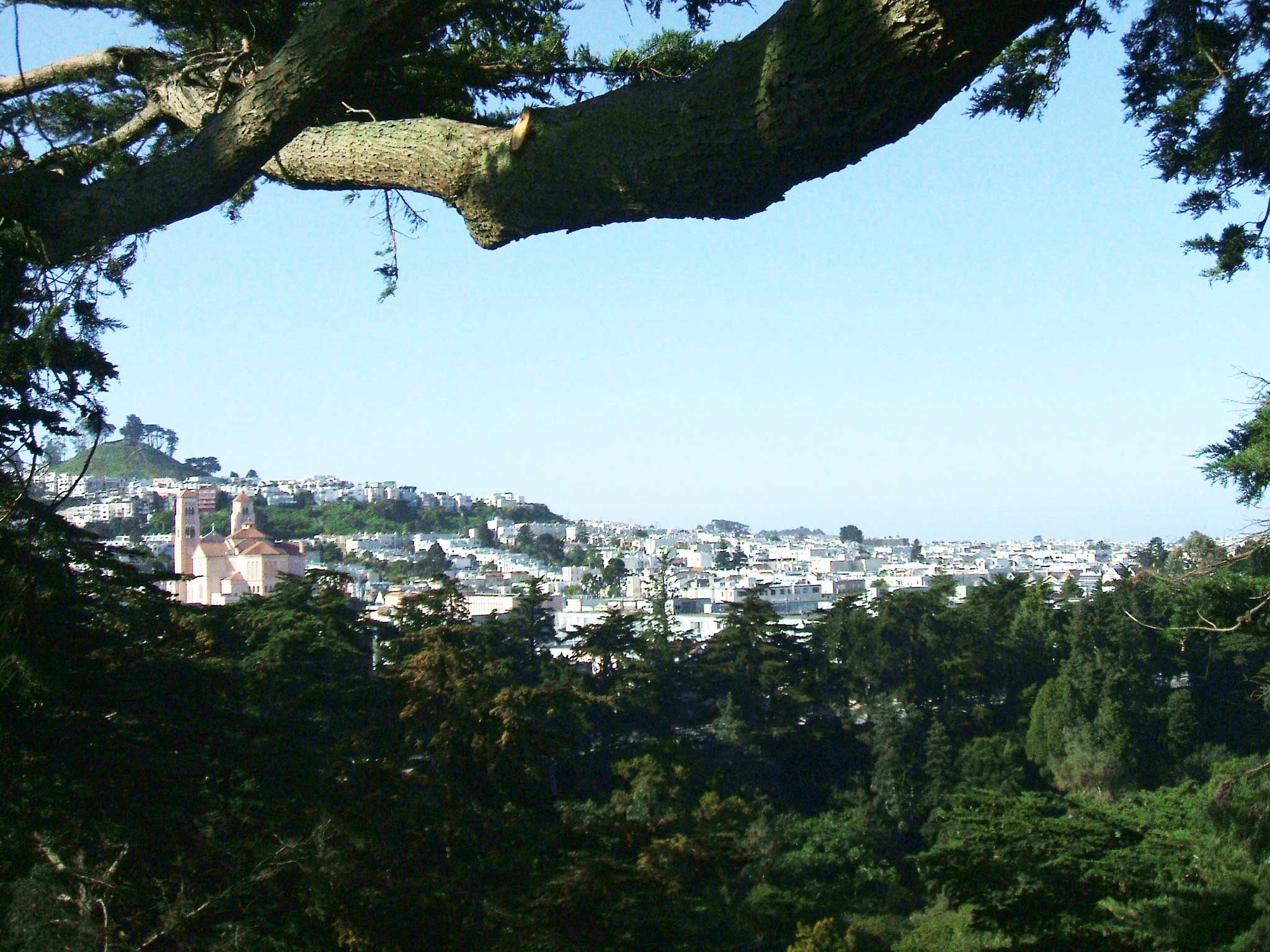
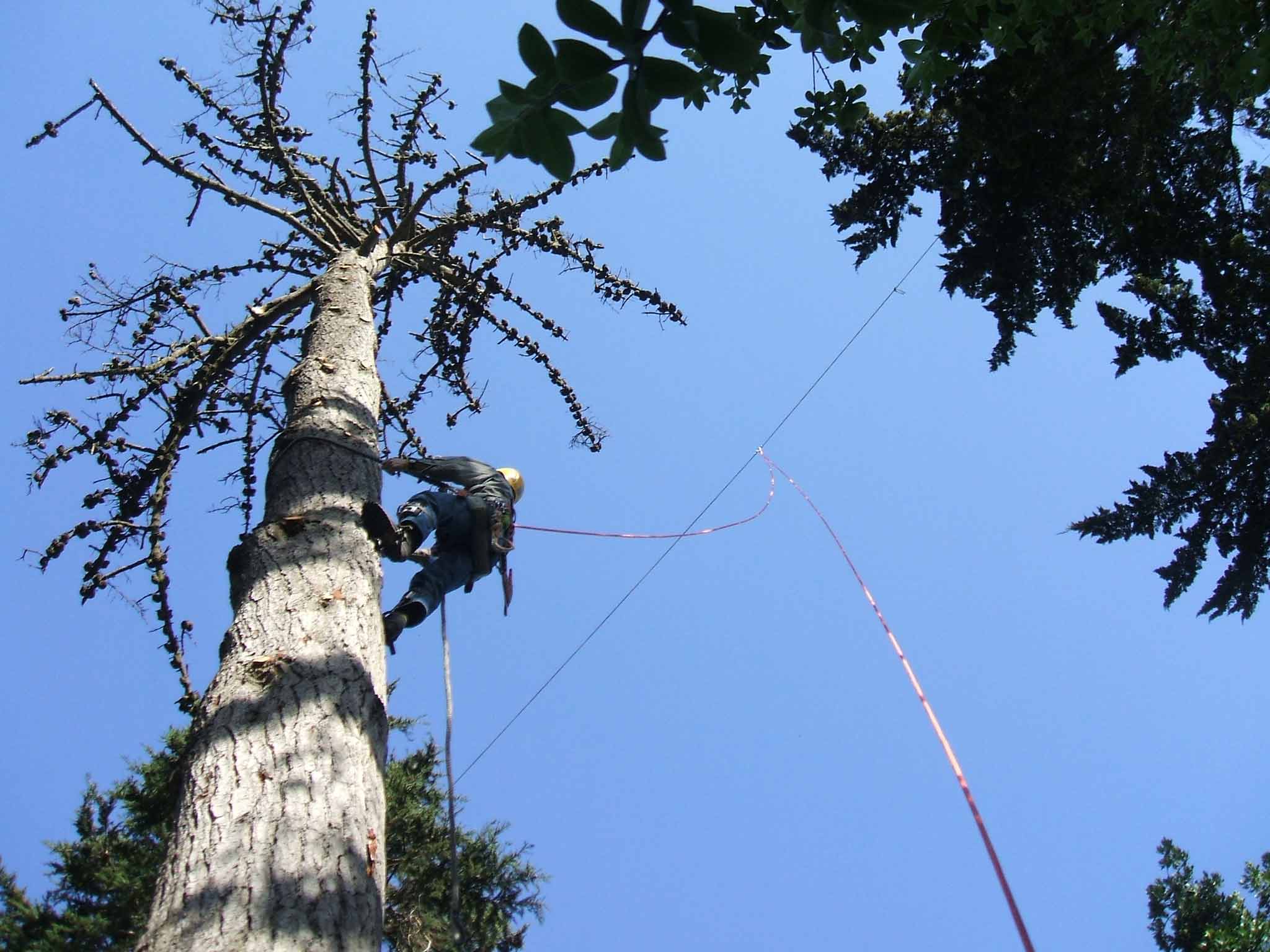
Our climber set the ropes to prune the upper canopy of the magnificent Monterey Cypress—giving him breathtaking views of the gardens and the city of San Francisco.
Testimonial
"Bartlett is the best at what they do because they love it and it shows. Trees are such an important part of how we all connect with nature, especially in an urban setting, and having them properly cared for by trained professionals, like Bartlett, is key to their health and survival."
- David W. Kruse-Pickler, Associate Curator
Case study: National September 11 Memorial and Museum
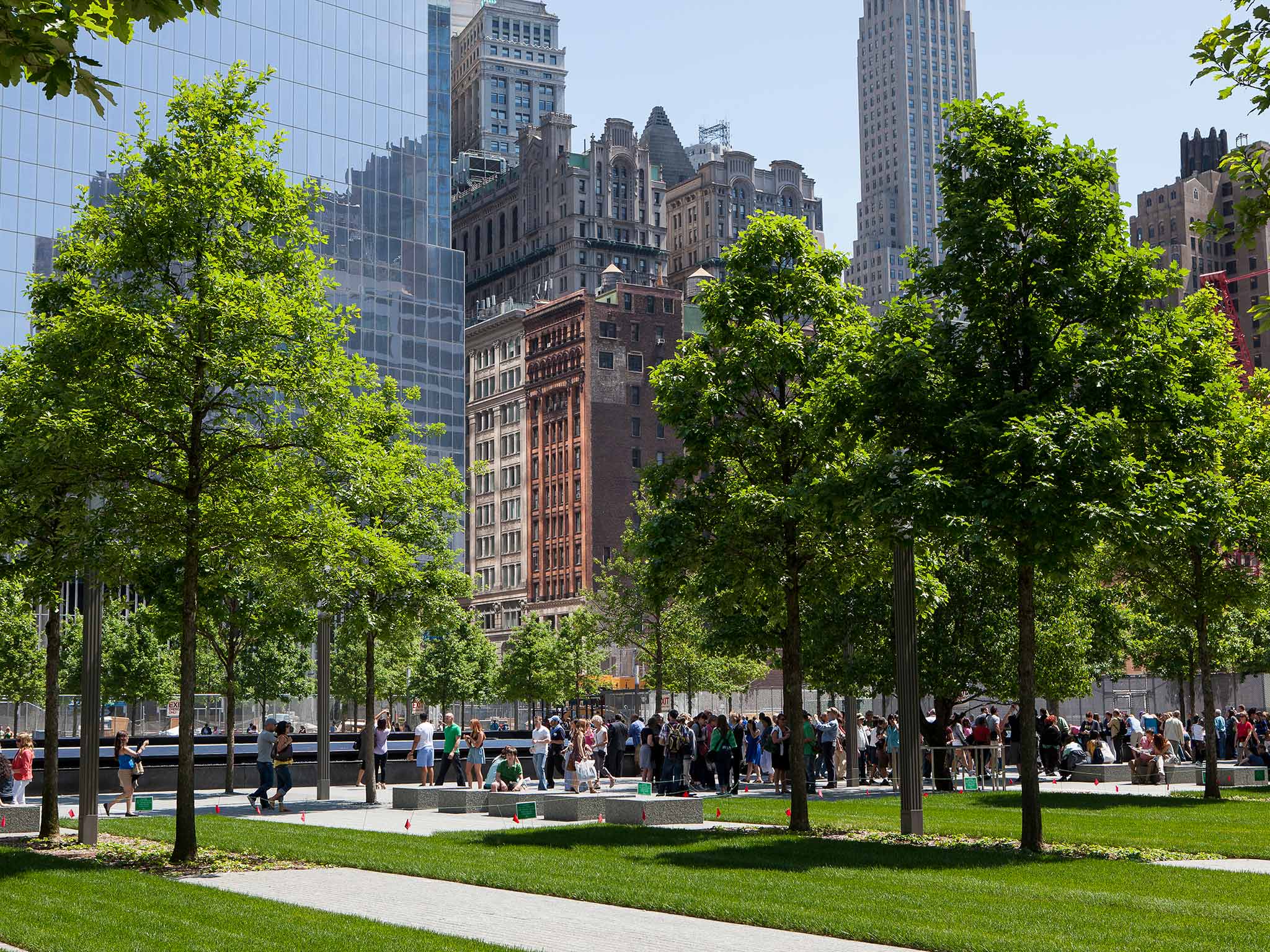
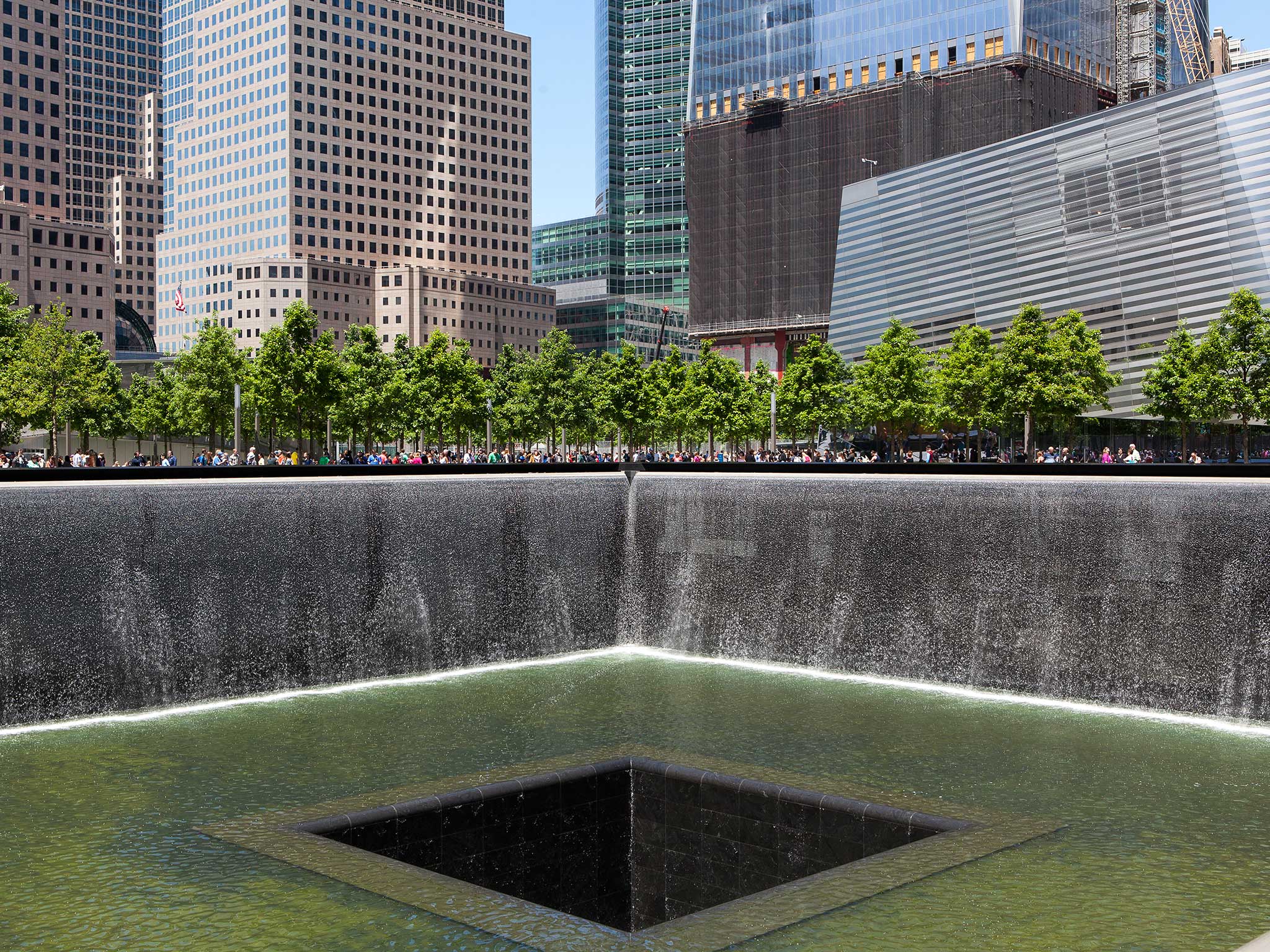
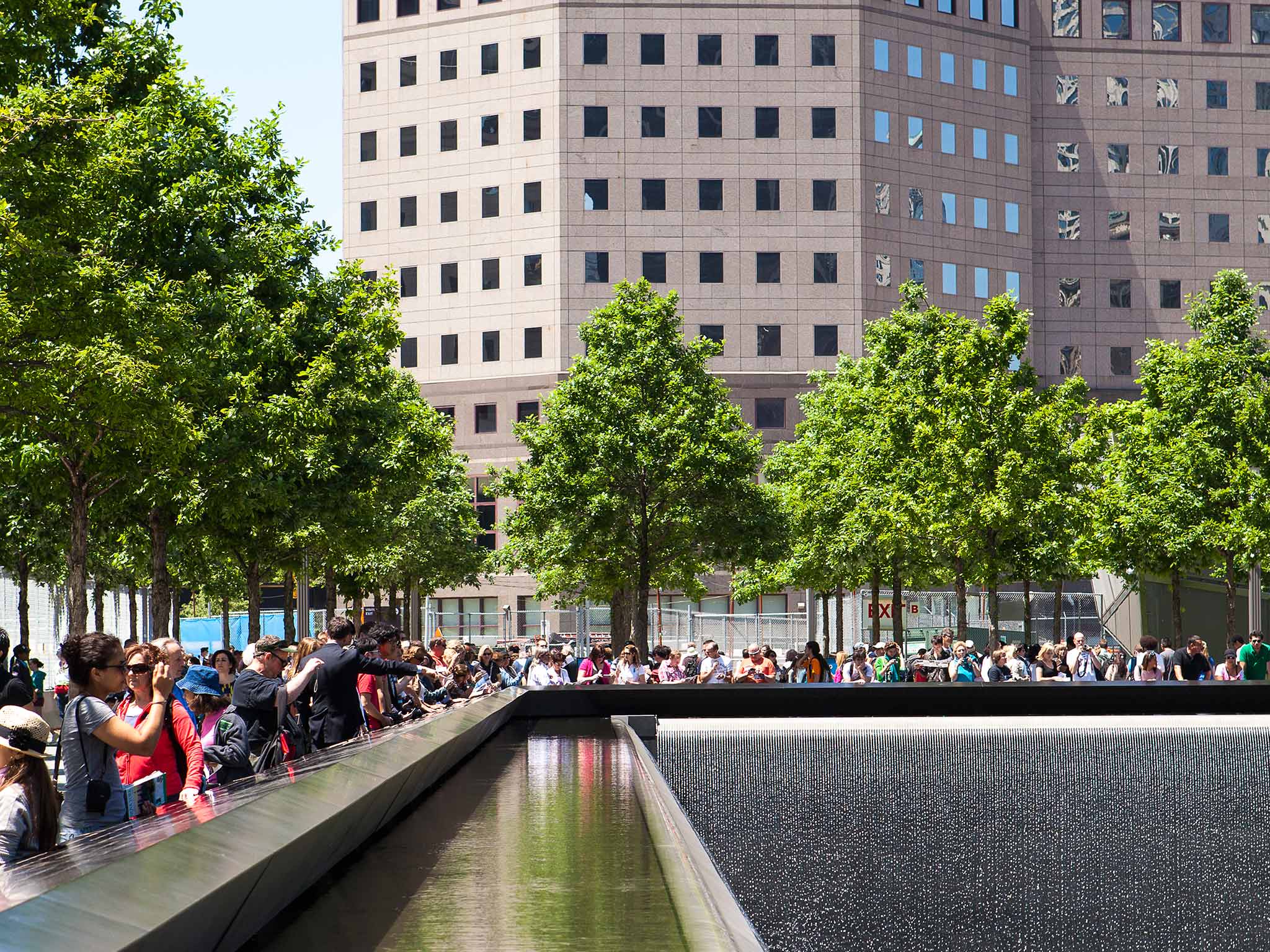
There are few symbols of life more powerful than a tree. It’s no wonder then that we are honored to manage the health and care of the 396 Swamp White Oak trees that stand strong at the 9/11 Memorial.
Bartlett arborists at work
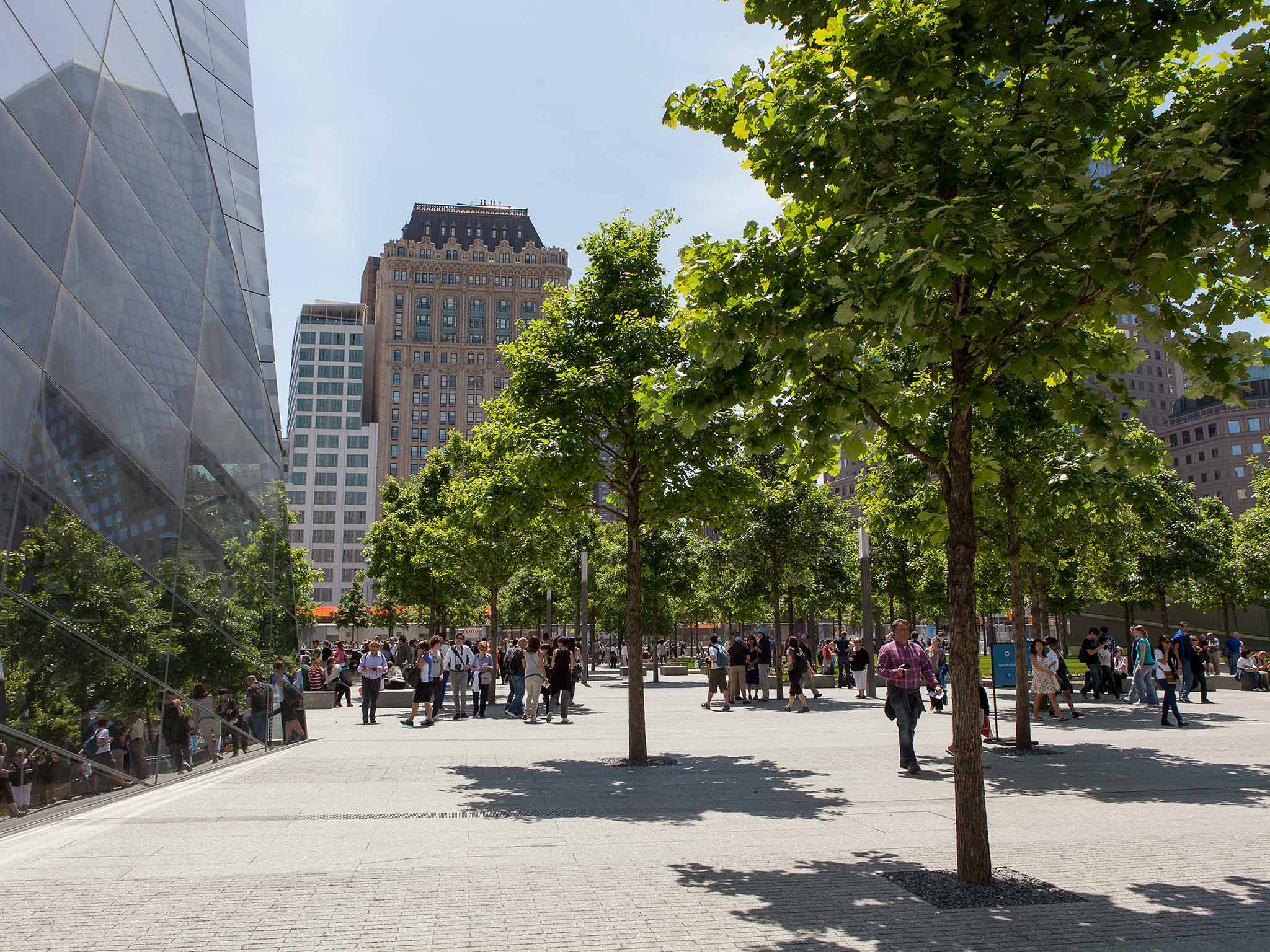
Bartlett arborists regularly prune the trees at Memorial Plaza to ensure clear sight lines for security cameras. This requires clearance to a height of eleven feet.
Early tree care efforts
Even before they arrived at the Memorial, we cared for the trees at our special New Jersey holding facility. To ensure success, we assigned this project to our South Plainfield, NJ team of arborists, who provided a full spectrum of care with a zero tolerance for mortality or injury.
- →The entire site was GPS mapped and all trees were inventoried.
- →A relationship was established with a leading local supplier of irrigation systems/designers.
- →Local New Jersey support staff were trained to complete future repairs and build much of the above-ground portion of the irrigation.
- →A highly trained, credentialed technician was assigned to be the primary plant health care technician for the project.
- →We partnered with the University of Georgia to develop an online reporting system for technician activity.
Ongoing management
Every detail of the special 396 trees now living at the 9/11 Memorial and Museum is managed by our Elmsford office.
- →Weekly inspections and documentation of conditions and treatments.
- →Insect and disease management.
- →Root collar inspections and excavations as needed, every year.
- →Regular monitoring of moisture conditions and the proper watering schedule.
- →Full treatment program on the ivy beds, including cultural practices, insect and disease management, and soil care.
The Survivor Tree
A single Callery pear tree was discovered in the rubble of the World Trade Center in 2001. Known today as the "Survivor Tree," it has been nurtured with the greatest of care, creating over 400 new saplings from its seeds. This remarkable tree and all of its saplings are proudly cared for by Bartlett Tree Experts.
Quote
"We feel there’s great significance in memorializing 9/11, and we feel we’re able to add to this living monument which, if handled properly, can go on in perpetuity. It means a tremendous amount to all of us."
- David McMaster, Vice President, Bartlett Tree Experts