
Insect and disease management

Controlling pest and disease outbreaks
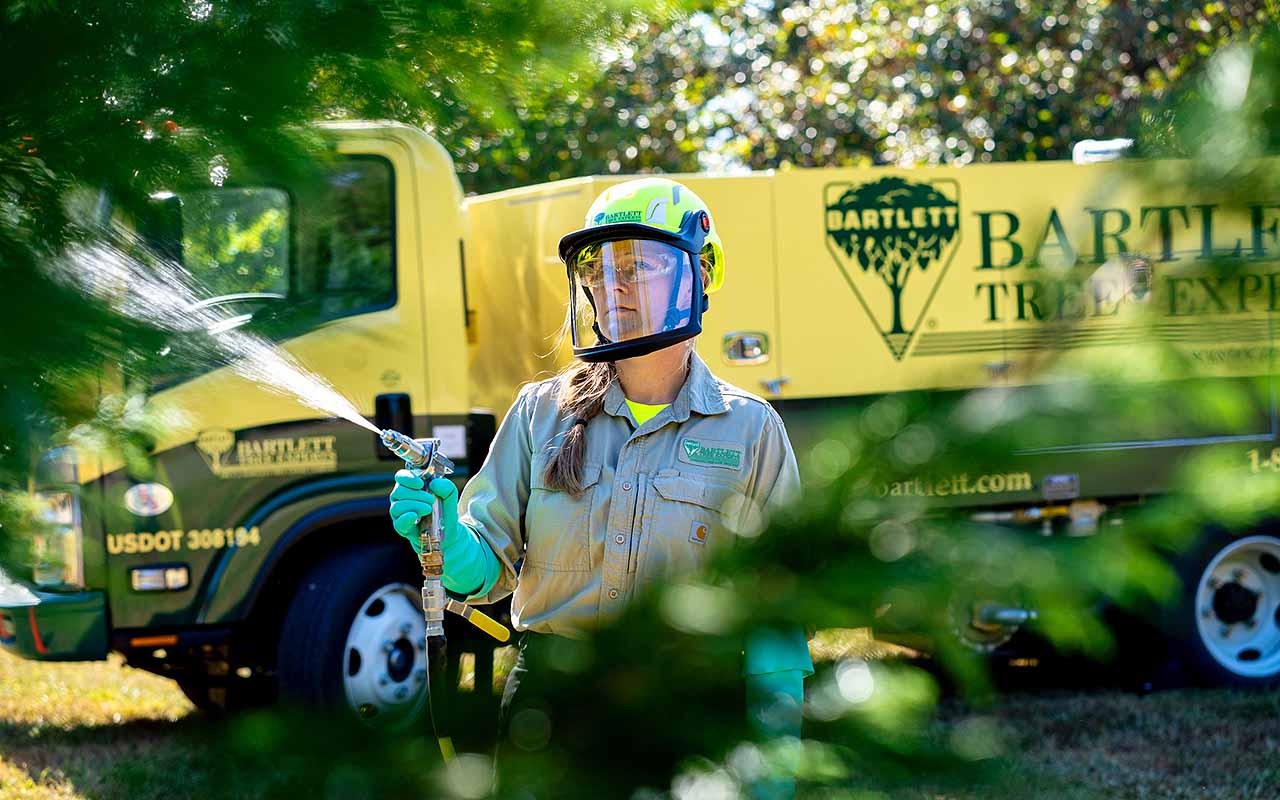
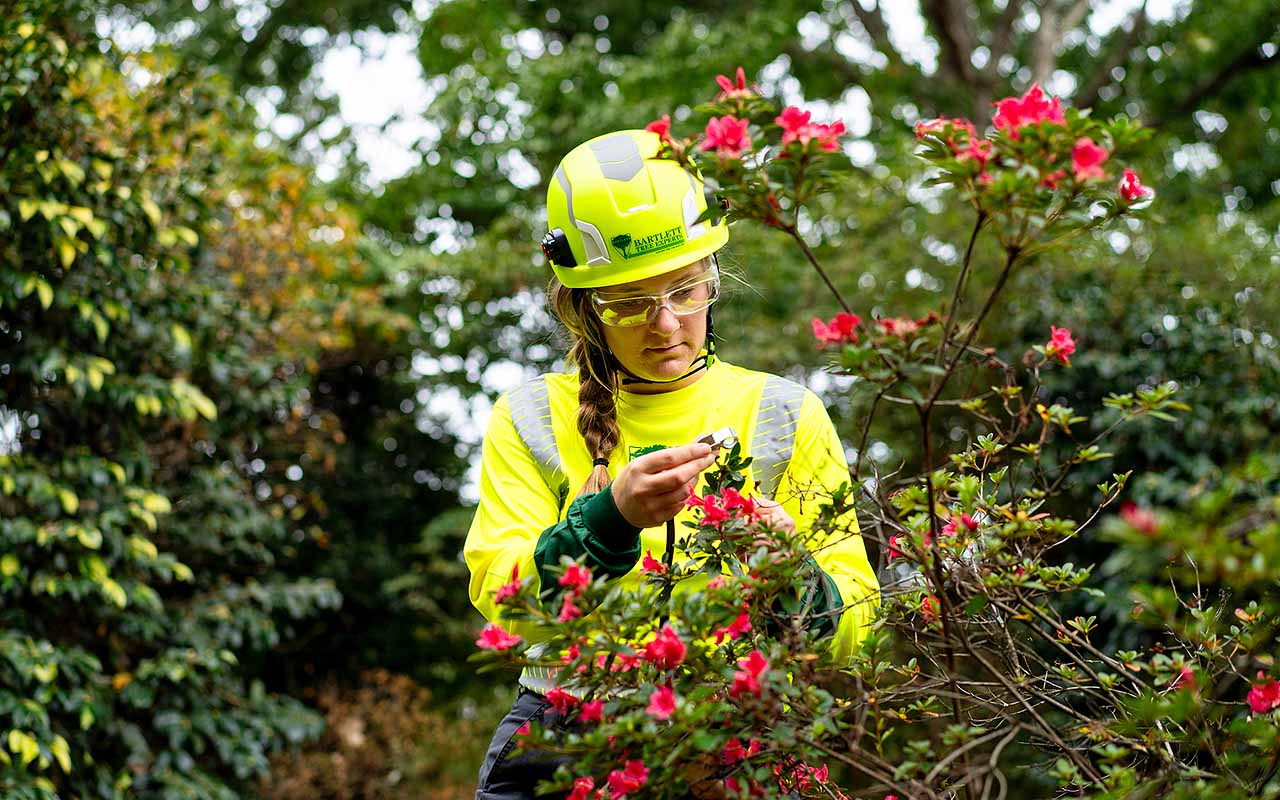
Periodic inspections are essential to detect pest infestations before they reach damaging levels. Bartlett arborists are trained to recognize beneficial insects that will help naturally suppress pest populations, and we also release beneficials to augment existing populations. When treatments are necessary, Bartlett can apply organic and naturally based materials and reduced-risk products that provide effective pest suppression while protecting people and the environment.
Top 10 insects
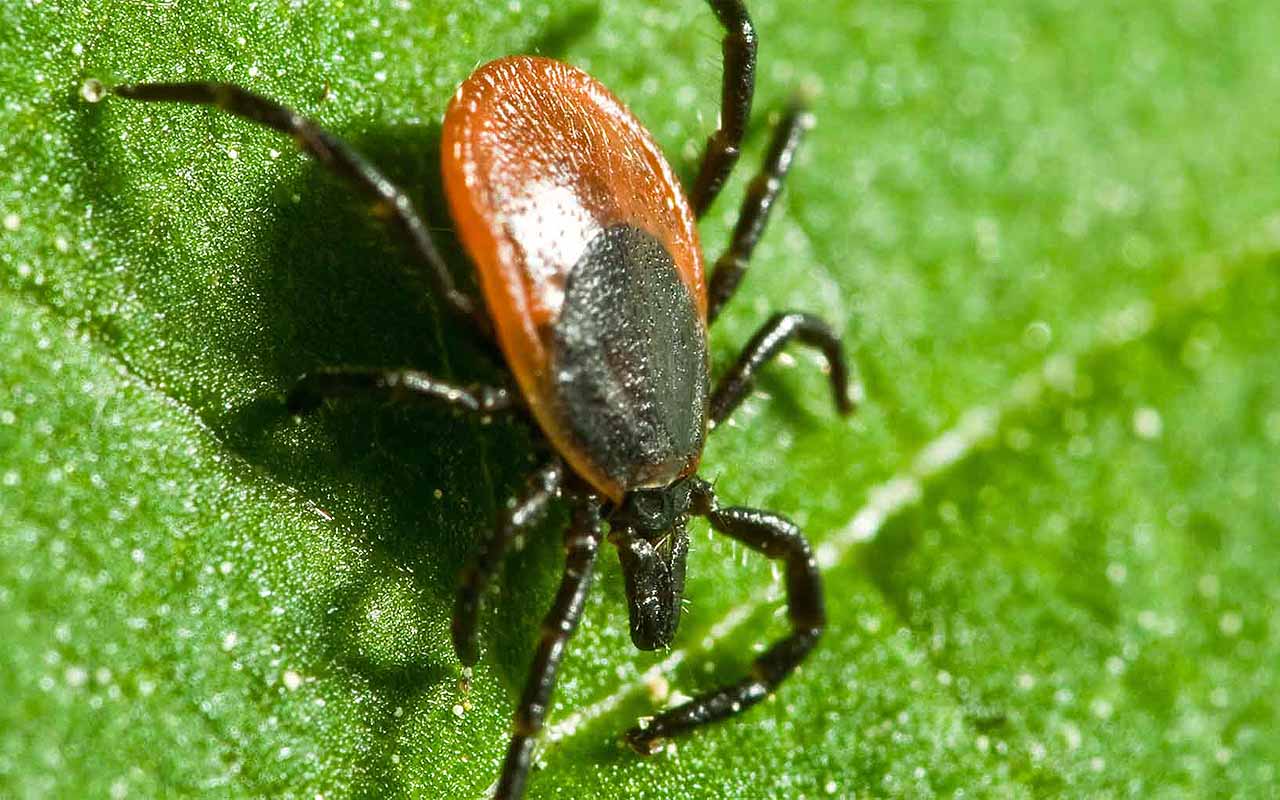
Hundreds of insect species damage leaves, stems, and branches; roots; and flowers and fruit of landscape plants. But not all insects on trees and shrubs are damaging. Some are beneficial and may help pollinate flowers or could be predators or parasites on insects that damage plants. Bartlett arborists are trained to correctly identify these beneficial insects and mites and can devise effective management programs that protect landscape plants from serious damage while conserving beneficial organisms.
Top ten insect and arthropod pests that threaten or damage landscape plants in the northeastern United States:
Top 10 diseases
Diseases are abnormalities in trees and shrubs caused by microorganisms such as fungi and bacteria and by environmental stress such as drought, temperature extremes, and air pollution. Diseases are often difficult to diagnose as different causal agents can produce similar symptoms. Accurate diagnosis is essential to developing effective treatment programs. Bartlett operates a modern diagnostic laboratory to support pest management services to ensure accurate identification and treatment of plant problems.
Top ten diseases that threaten or damage landscape plants in the northeastern United States:
- Bacterial leaf scorch
- Phytophthora root rot
- Dutch elm disease
- Leaf spot diseases
- Anthracnose
- Needlecast
- Verticillium wilt
- Fire blight
- Bleeding canker and Phytophthora canker
- Powdery mildew